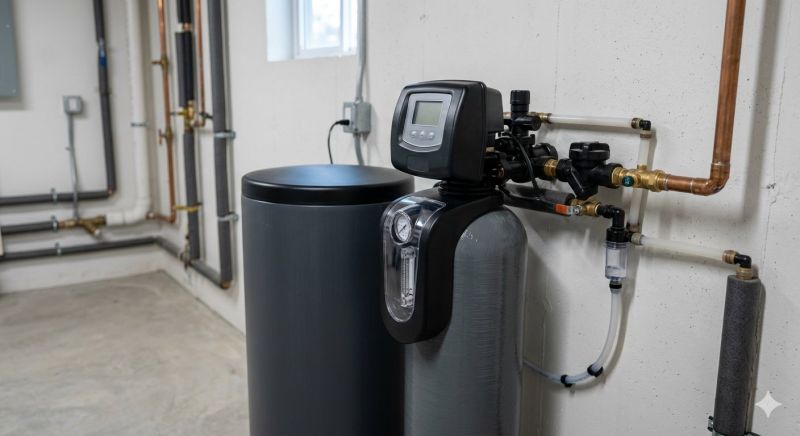
Water Softener Installation in Asheville, NC
Water softener installation services involve setting up systems that reduce the mineral content in well or municipal water supplies, primarily targeting hard water issues. These installations typically include selecting the appropriate softening unit, preparing the property for setup, and ensuring proper connection to the home's plumbing. Projects can range from replacing outdated or malfunctioning units to installing new systems in homes experiencing mineral buildup, limescale, or soap scum. Homeowners often want to understand the types of water softeners available, how the system integrates with existing plumbing, and what maintenance might be required after installation.
Before requesting water softener installation, property owners usually seek clarity on system size, compatibility with their water usage, and the potential benefits for appliances and plumbing longevity. It’s also common to inquire about the process of installation, any necessary modifications to existing plumbing, and the expected impact on water quality. Understanding these factors can help homeowners make informed decisions about the best water softening solution for their household needs.
Many property owners in Asheville, NC look into Water Softener Installation for repairs, replacements, upgrades, and appearance-related improvements.
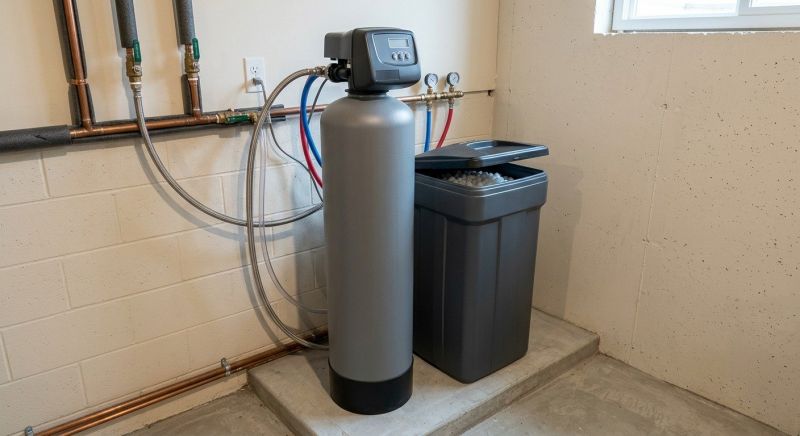
Benefits Of Water Softening
Softened water helps reduce mineral buildup and extends the lifespan of plumbing fixtures.
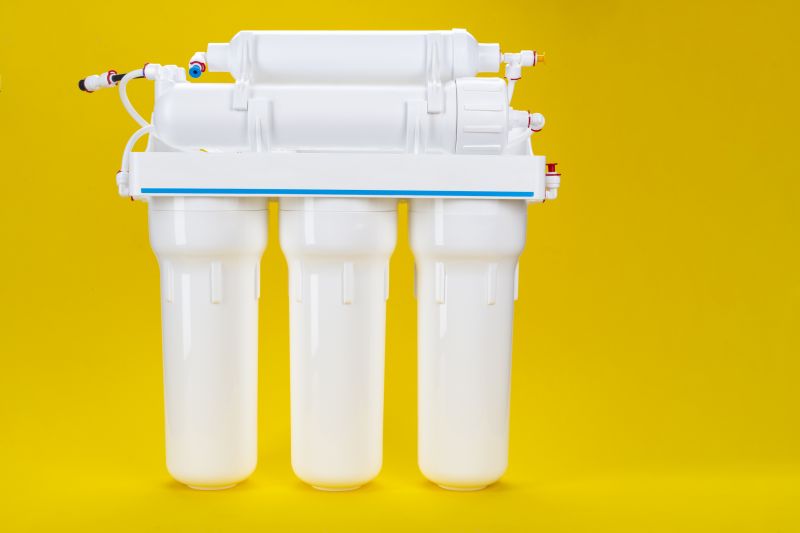
Installation Considerations
Proper placement and sizing are essential for effective water softener performance in asheville homes.
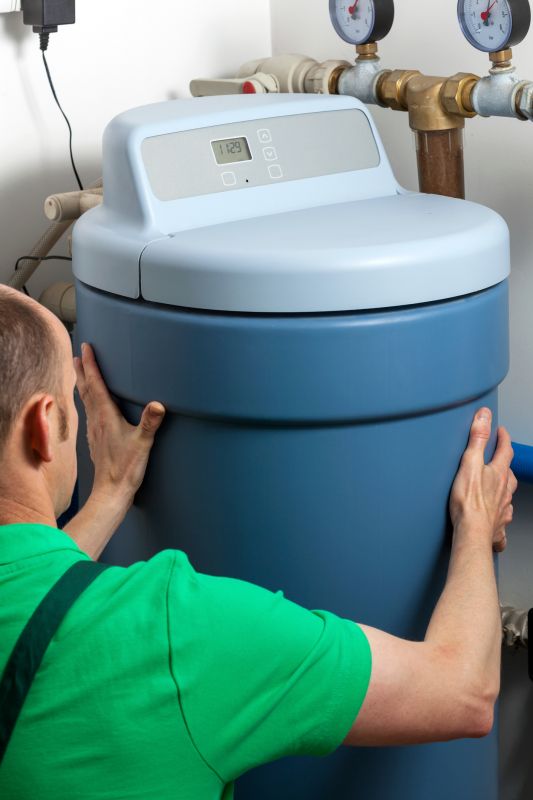
Maintenance And Care
Regular maintenance ensures your water softener continues to provide high-quality, soft water for your household.
Water Softener Installation in Asheville, NC
Water softener installation services involve setting up systems that reduce the mineral content in well or municipal water supplies, primarily targeting hard water issues. These installations typically include selecting the appropriate softening unit, preparing the property for setup, and ensuring proper connection to the home's plumbing. Projects can range from replacing outdated or malfunctioning units to installing new systems in homes experiencing mineral buildup, limescale, or soap scum. Homeowners often want to understand the types of water softeners available, how the system integrates with existing plumbing, and what maintenance might be required after installation.
Before requesting water softener installation, property owners usually seek clarity on system size, compatibility with their water usage, and the potential benefits for appliances and plumbing longevity. It’s also common to inquire about the process of installation, any necessary modifications to existing plumbing, and the expected impact on water quality. Understanding these factors can help homeowners make informed decisions about the best water softening solution for their household needs.
Many property owners in Asheville, NC look into Water Softener Installation for repairs, replacements, upgrades, and appearance-related improvements.
Common Water Softener Installation Jobs
Water softener installation involves setting up systems that reduce mineral buildup in household water.
Whole-house water softening services improve water quality for every fixture and appliance.
Point-of-use softener setups target specific areas like kitchens or laundry rooms for localized softening.
Replacement of outdated softeners ensures optimal performance and water quality.
System upgrades and enhancements help improve efficiency and extend the lifespan of existing softeners.
Custom softener solutions are tailored to meet the specific water hardness levels and household needs.
Water Softener Installation Questions
What is a water softener? A water softener is a device that reduces minerals like calcium and magnesium in hard water, preventing buildup and improving water quality.
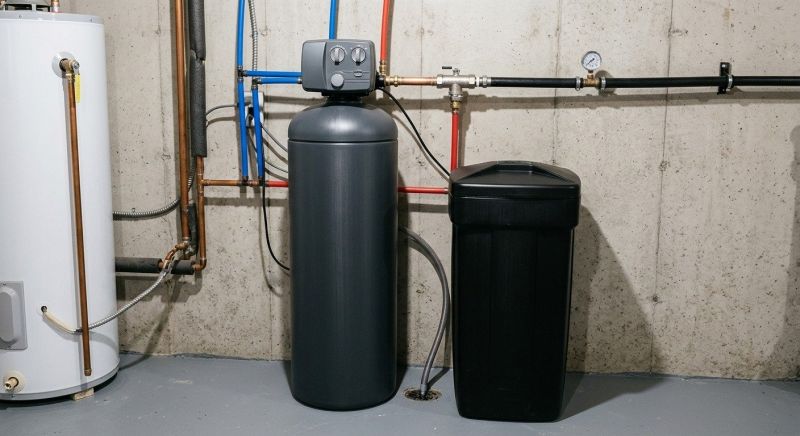
How does water softener installation work? Installation involves connecting the unit to the main water supply to filter out hard minerals before they reach plumbing fixtures and appliances.
What are common signs that a water softener is needed? Signs include soap not lathering well, buildup on fixtures, and spots on dishes or glassware.
Can a water softener be added to an existing plumbing system? Yes, a water softener can be integrated into existing plumbing to treat water throughout a property.
Request Water Softener Installation in Asheville, NC
Use the quote form on this page to share the basics of your project and request more information for the type of work you need.